USHCL Healthcare Licensing Portal
One operating system for healthcare licensing work. USHCL brings credential portfolios, renewals, applications, documents, and provider communication into one secure, accountable workflow.
Case-study visuals use fictional examples only. No provider identities, contact details, license numbers, documents, or live portal counts are shown.
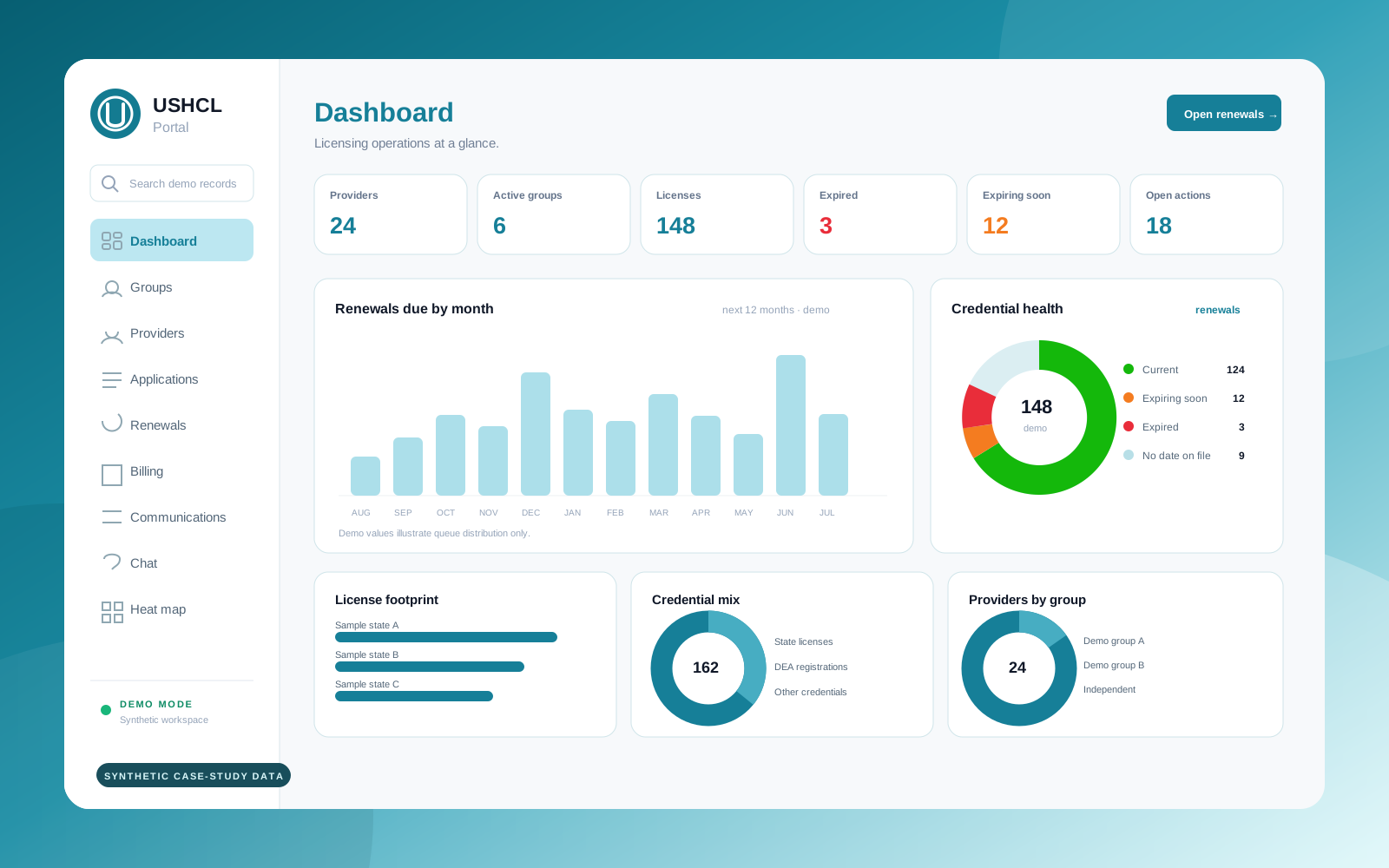
Overview

USHCL replaces fragmented spreadsheets, inbox threads, and point tools with a role-aware operating system for licensing teams and providers. Staff get portfolio-level visibility while providers get a focused self-service workspace.
Every status, document, decision, and next action stays tied to the credential it supports. The result is a product that makes complex work easier to see without flattening away the detail needed to act safely.
Product promise
See the whole licensing portfolio without losing the individual case.
Product outcomes
Portfolio clarity
Teams can move from an operational overview to the exact provider, credential, renewal, or application that needs attention.
Provider self-service
Providers can review licensing status, retrieve released documents, and understand what USHCL needs from them.
Accountable handoffs
Ownership, evidence, communication, and decisions remain attached to the work as it moves between people.
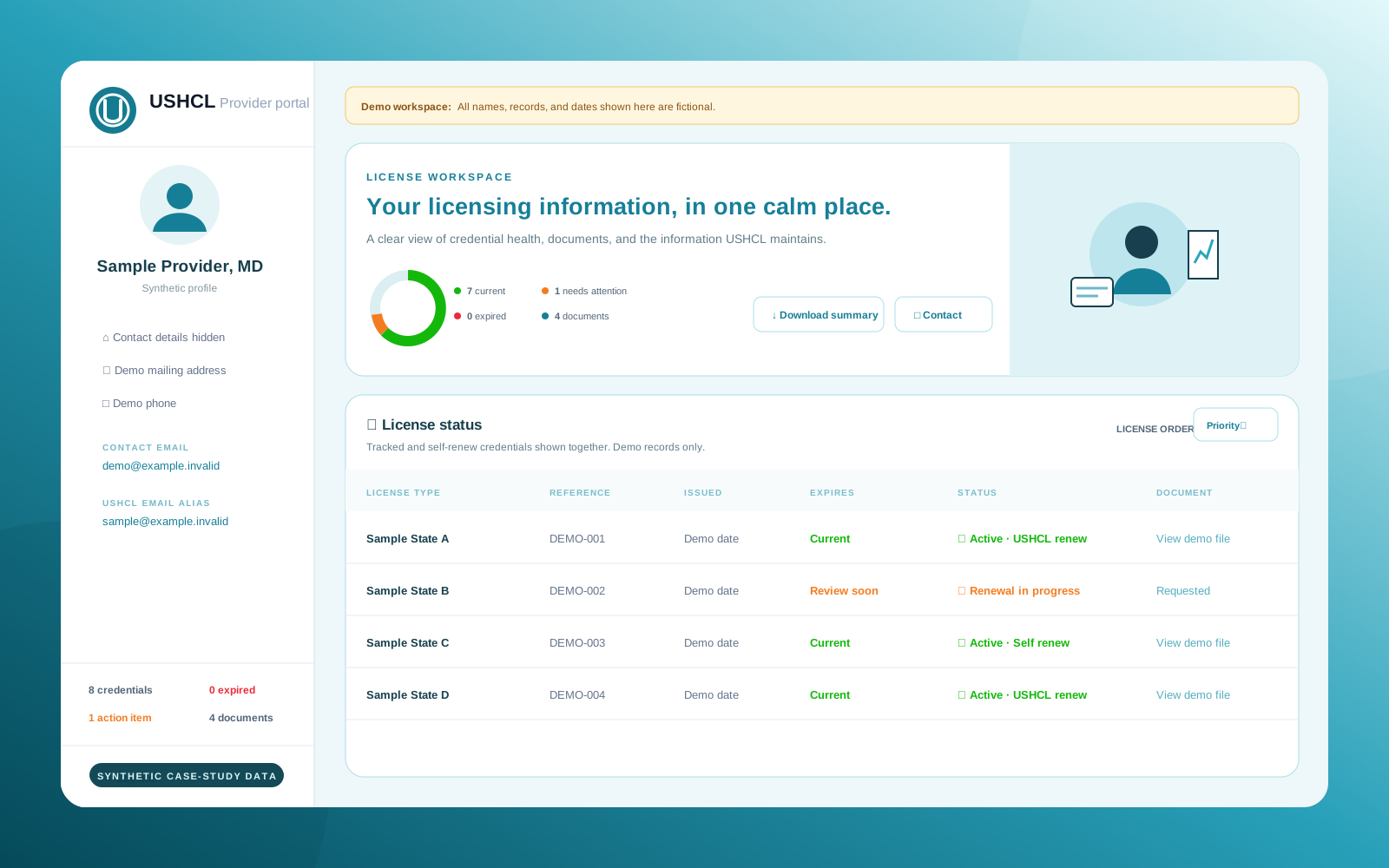
Problem
Healthcare licensing is deadline-heavy and evidence-heavy. A single provider can span many states, credential types, applications, documents, and renewal paths—each with different dates, owners, and dependencies.
The design challenge was not to display more data. It was to turn fragmented operational signals into a clear next action while preserving traceability and privacy.
Root causes
Fragmented records
Status, documents, and communication history can live in different places, making a complete review slower and less reliable.
Deadline risk
Dates only become useful when the system translates them into priority, ownership, and a timely next step.
Status without ownership
A label alone does not tell the team who is responsible, what evidence is missing, or how to close the work safely.
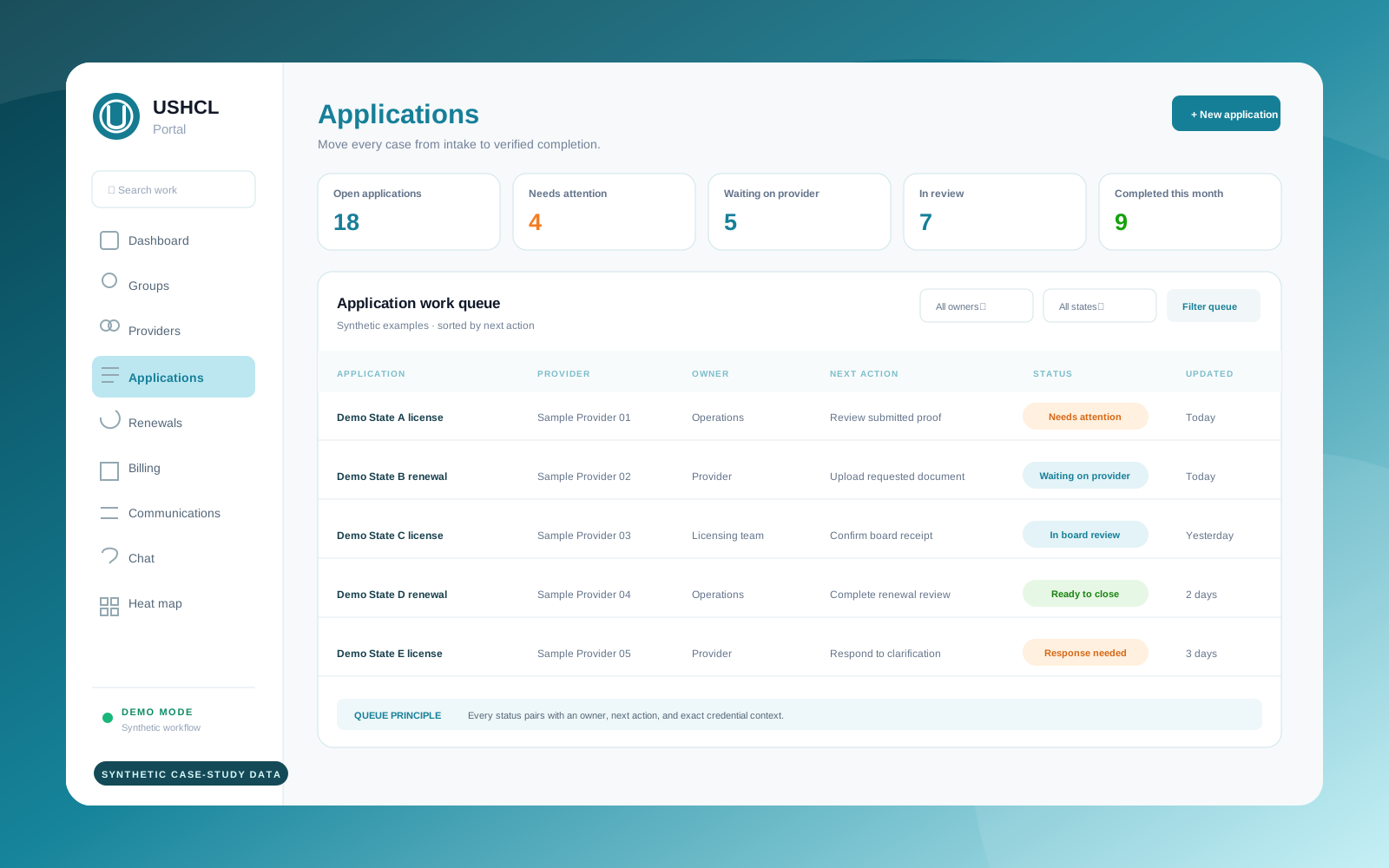
Context & Research
Reduce uncertainty without hiding the work behind a simplified number.
The product model came from the real sequence of licensing work: find what needs attention, inspect its exact context, identify the accountable owner, collect proof, communicate clearly, and record the outcome.
That sequence shaped role-specific views. Operations teams start with the portfolio and work queue; providers start with their own licensing picture; both arrive at the same underlying credential context.
Design requirements
Prioritize the work
Surface what needs attention now, then make the underlying record easy to inspect without losing the queue.
Use readable states
Distinguish current, attention, pending, expired, and not-applicable states in plain language.
Bind proof to context
Keep the relationship between a request, document, communication, decision, and credential explicit.
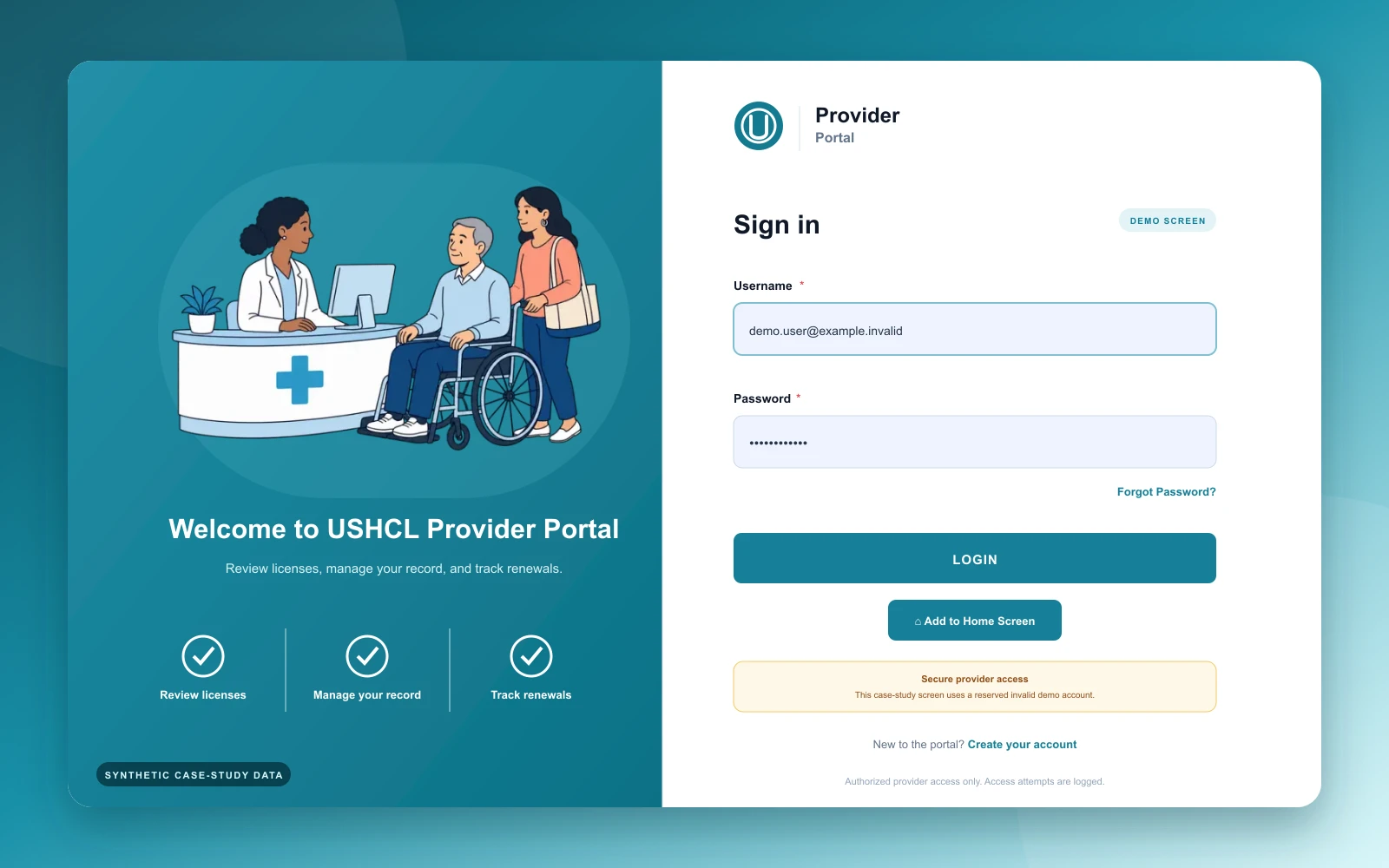
Solution
A secure, role-aware platform now connects portfolio oversight, provider self-service, applications, renewals, documents, and communication. Dense operational information is organized into calm layers: overview first, exact context second, action third.
USHCL turns licensing from a collection of follow-ups into a visible, auditable operating system—designed to help teams act earlier, answer faster, and keep providers informed.